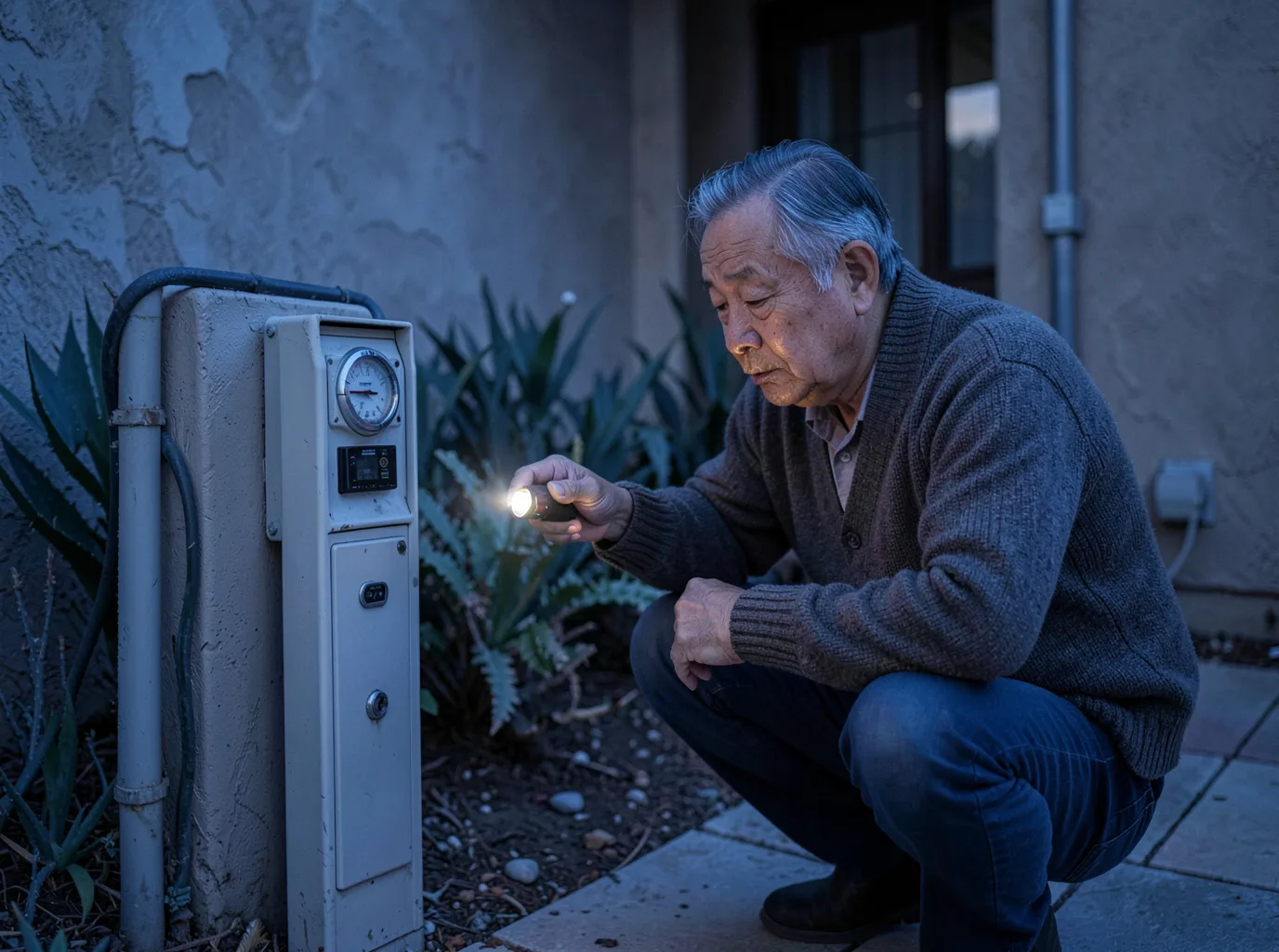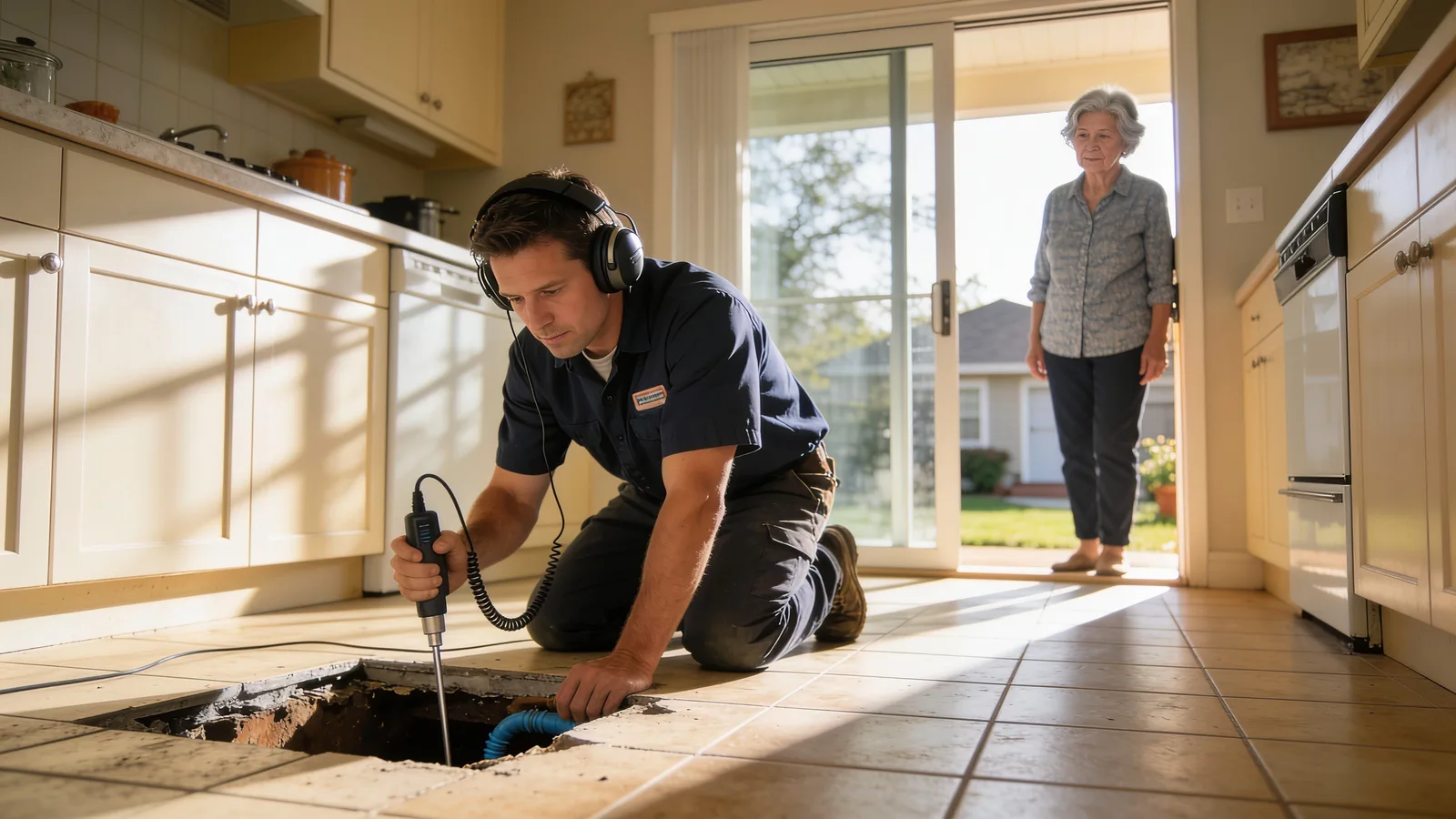
A pressure reducing valve, or PRV, sits where the main enters the house and steps street pressure down to a level fixtures can handle. Not every home has one, but many in Pendleton, SC do, especially where the supply runs high.
Signs the valve is wearing out
- Pressure that swings between weak and strong
- Pipes that bang when a valve closes
- Toilets that run and faucets that drip even after new parts
- A water heater relief valve that drips
- A gauge reading above 80 psi
Rebuild or replace?
Some valves take a rebuild kit, which costs less in parts. Older or corroded valves are usually replaced whole. Price depends on pipe size, how buried the valve is, and whether the shutoff next to it still closes. A stuck main shutoff often has to be replaced at the same visit, so budget for the chance.
The part people forget
A regulator creates a closed system, so water heated in the tank has nowhere to expand. Many codes call for a thermal expansion tank on the water heater when a PRV is present. Skipping it can shorten the life of both the heater and the new valve.
Ask the plumber to set the pressure, label the valve and write down the final reading for your records.